
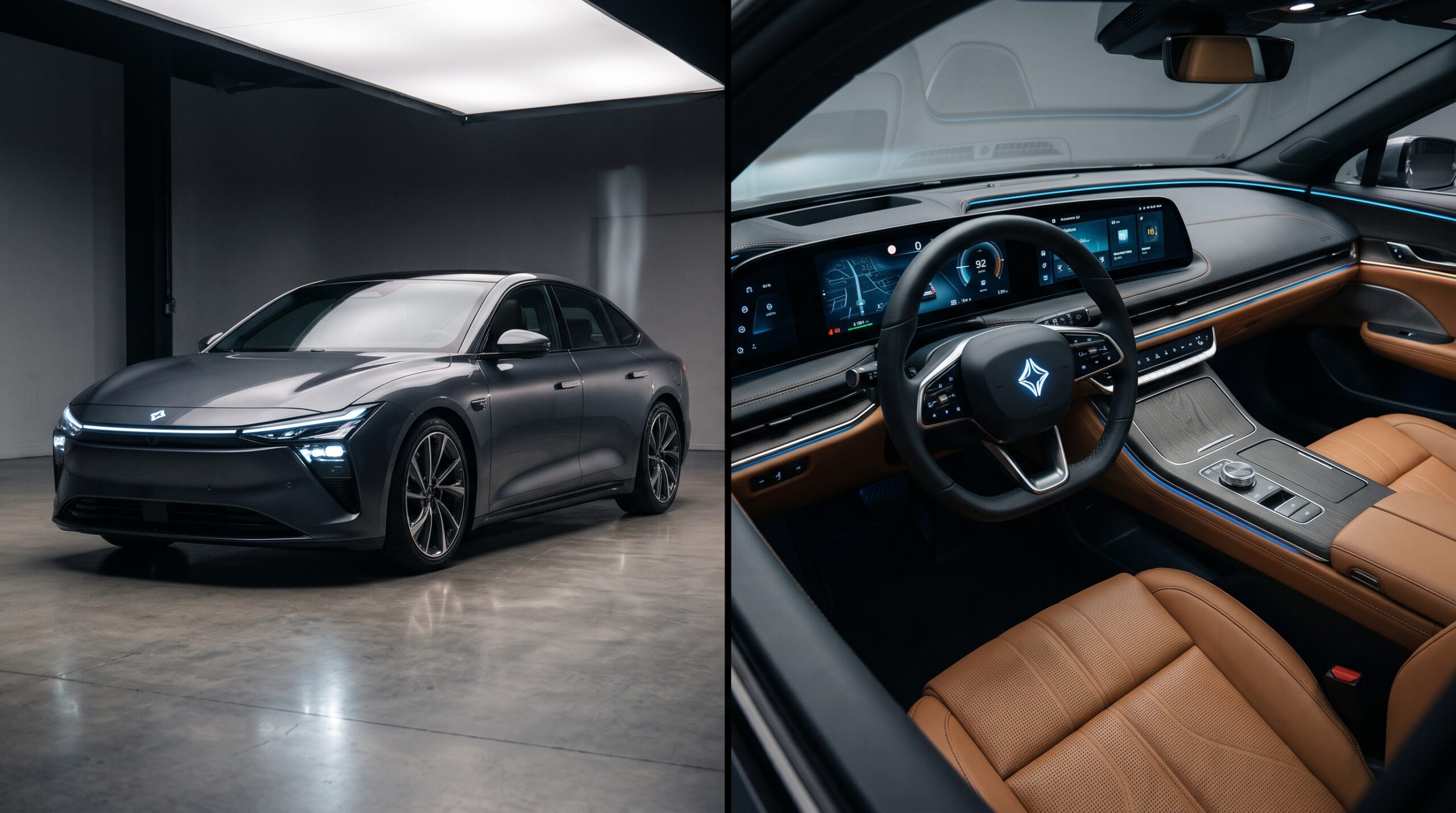
You sit in a new car and the dashboard looks more like a tablet than the dials you grew up with. Outside, the body surfaces appear smoother, the lighting sharper, and the overall shape tuned as much for airflow as for style. Automotive design has moved through distinct phases, yet the current direction balances efficiency, digital interfaces, and emotional appeal. Knowing these trends helps you evaluate what is genuine progress and what is simply fashion when you shop for your next vehicle.
Aerodynamics Moves From Race Track to Everyday Cars
Smoother shapes, active grille shutters, underbody panels, and carefully managed airflow around wheels once belonged mainly to performance or efficiency specials. They now appear across mainstream models because every bit of reduced drag improves range for electric vehicles and fuel economy for combustion and hybrid powertrains. Designers still want distinctive faces and strong profiles, so the challenge is creating visual character without adding turbulence. The result is cleaner silhouettes, flush door handles on many newer models, and lighting elements that follow the body’s natural lines rather than interrupting them.
Exterior Styling: Lighting, Proportions, and Presence
LED and matrix lighting systems have become both functional and expressive tools. Thin daytime running lights, animated sequences, and sculpted light signatures help brands stay recognizable after dark. Proportions have shifted with the rise of crossovers—higher belt lines, shorter front overhangs on dedicated EV platforms, and longer wheelbases that improve interior space. Surface language varies by brand: some favor crisp creases, others soft continuous curves. Hypothetical illustration: two compact crossovers share similar dimensions, yet one uses sharp character lines and bold lighting while the other relies on flowing surfaces and subtle details. Both can look modern; the difference is emotional tone rather than pure function.
Cabin Design Becomes a Digital Workspace
Interiors have undergone a bigger transformation than exteriors for many buyers. Large central displays, digital instrument clusters, and optional head-up displays replace clusters of physical buttons. Voice control, gesture inputs, and steering-wheel interfaces try to keep eyes on the road while still offering deep feature access. The best designs maintain a logical hierarchy so climate and core driving functions remain reachable without hunting through menus. Poorly executed systems create frustration that no amount of screen size can fix. When you test-drive, spend real time with the interface instead of just glancing at the graphics.
Materials, Craftsmanship, and Sustainability Signals
Soft-touch surfaces, carefully chosen ambient lighting, and tighter panel gaps raise the perceived quality of even mid-priced cars. At the same time, many manufacturers highlight recycled fabrics, responsibly sourced materials, and reduced use of traditional leather. These choices respond both to environmental goals and to changing customer values. The visual and tactile result varies: some cabins feel warm and inviting, others more minimal and tech-focused. Sit in the car and touch the high-contact areas—steering wheel, armrests, switchgear—because those details shape daily satisfaction more than a brochure photo.
How Platform Architecture Shapes Design Freedom
Dedicated electric platforms with skateboard battery layouts give designers more freedom in wheelbase, interior packaging, and front-end styling. Without a large engine block, the front overhang can shrink and the cabin can move forward. Combustion and multi-energy platforms still impose different packaging constraints. As a buyer you experience the outcome as interior space efficiency, outward visibility, and the overall stance of the vehicle. A car designed from the start around its powertrain often feels more cohesive than one adapted from an older architecture.
What These Trends Mean When You Shop
Focus on how the design serves you rather than how closely it follows the latest show-car look. Check whether the aerodynamic features are paired with real efficiency numbers. Test the interior technology on a busy road and in a parking lot to judge distraction and ease of use. Evaluate material quality with your hands, not only your eyes. Consider whether the proportions fit your garage, parking habits, and passengers. Trends set the menu; your daily needs should still decide the order.
Automotive design continues to evolve under the pressures of efficiency, digital expectation, and brand differentiation. Aerodynamics now shapes everyday bodywork, lighting has become a core styling tool, and interiors increasingly revolve around screens and software. Materials and sustainability cues add another layer of decision-making. The strongest designs integrate these elements without sacrificing clarity or comfort. When you next sit in a new model, look past the first impression and test how the shape, interface, and materials actually work for the driving and living you do. That practical filter turns design trends into useful information instead of pure spectacle.
FAQ
Why do so many new cars look smoother and more closed-off at the front?
Improved aerodynamics help efficiency and electric range; active shutters and reduced openings are part of that effort.
Are larger screens always better?
Not necessarily. Usability, response time, and the ability to reach essential functions without distraction matter more than size alone.
How important are recycled or sustainable materials?
They matter to many buyers and to manufacturers’ environmental targets, but tactile quality and durability should still be judged in person.
Do electric vehicles allow different exterior designs?
Dedicated EV platforms often enable shorter overhangs, longer wheelbases, and more flexible interior packaging than traditional layouts.
What should I prioritize during a test drive?
Visibility, seating comfort, interface logic, material feel in high-touch areas, and how naturally the car’s proportions fit your regular routes and parking.
Leave a Reply