
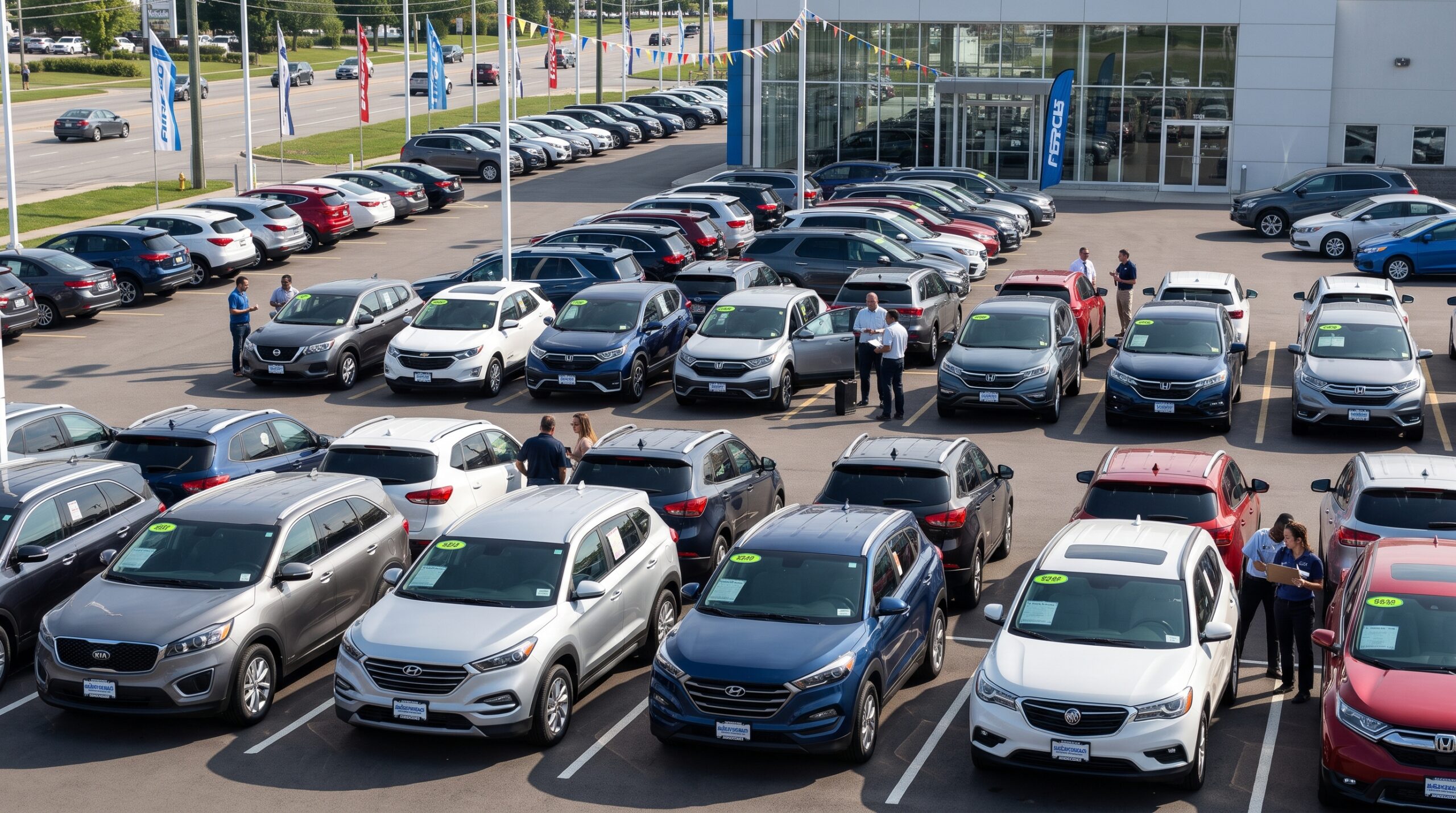
You walk through a new-car lot and notice something obvious: rows of tall, boxy vehicles dominate while traditional sedans occupy a shrinking corner. That visual shift is not accidental. Over the past two decades, buyer preferences have moved decisively toward SUVs and crossovers, forcing automakers to redesign product plans, factories, and marketing strategies around higher-riding vehicles. Understanding why this happened helps explain the cars available to you today and the ones that quietly disappeared.
From Niche Utility to Everyday Choice
Early sport-utility vehicles were largely body-on-frame trucks with serious off-road capability and modest on-road manners. They appealed to buyers who needed towing capacity or occasional trail access. Crossovers changed the equation. Built on car-like unibody platforms, they delivered higher seating positions, easier entry, and more cargo flexibility while riding and handling closer to passenger cars. Families and urban drivers who never planned to leave the pavement found the combination attractive. What began as a practical alternative gradually became the default choice for many households.
The Appeal of Space and Versatility
Crossovers and SUVs give drivers a sense of command over the road and simpler loading of groceries, strollers, or sports gear. The higher hip point makes getting in and out easier for many adults and children. Fold-flat rear seats and taller cargo areas handle weekend projects or travel more gracefully than a conventional trunk. Hypothetical illustration: a couple that once owned a midsize sedan finds the same weekly errands easier in a compact crossover because the open cargo bay swallows bulky items without the geometry puzzles a sedan trunk often requires. That everyday convenience compounds over years of ownership.
Perceived Safety and Ride Height
Many buyers associate greater vehicle height with better visibility and a feeling of security. Crash-test progress and the widespread adoption of advanced driver-assistance systems further supported confidence in these vehicles. While physics still governs rollover risk and stopping distances, improved electronic stability control and structural design narrowed older safety gaps. Marketing that emphasized protection and family-friendly attributes reinforced the shift. Once a critical mass of drivers chose higher-riding vehicles, the social proof made the next purchase decision feel even more natural.
How Automakers Responded
Manufacturers noticed rising demand and higher profit margins on many utility vehicles. Product plans that once centered on sedans and hatchbacks pivoted toward crossover lineups in nearly every size class. Some long-running sedan nameplates were discontinued or reduced to niche status in key markets. Investment flowed into shared platforms that could underpin multiple crossover body styles. The result is the landscape you see now: compact, midsize, and three-row crossovers form the core of most brand portfolios, with traditional cars occupying a much smaller share of showroom space.
Trade-Offs Buyers Sometimes Overlook
Higher ride height can bring a less settled feel in crosswinds and slightly higher centers of gravity. Fuel economy, while improved by modern powertrains and hybrid options, often trails equivalent lower cars. Parking in tight urban spaces or older garages can feel more constrained. Purchase prices and insurance costs frequently sit above comparable sedans. Shoppers who prioritize efficiency, sharp handling, or maximum interior space efficiency relative to exterior size still find reasons to consider other body styles. The market shift does not eliminate those preferences; it simply makes the alternatives less numerous.
What the Shift Means for Shoppers Today

When you shop now, the widest selection of new features, powertrains, and trims often appears first in crossover form. Electric and hybrid variants have followed the same path, with many brands launching battery-powered models as SUVs before sedans. Inventory, incentives, and residual-value trends also reflect the segment’s strength. A buyer who remains open to a well-equipped sedan or hatchback can sometimes find stronger deals precisely because demand is softer. Matching the vehicle to actual needs—cargo, passengers, parking, efficiency—still matters more than following the crowd.
Buyer demand for higher seating, flexible cargo space, and a sense of capability reshaped the auto market around SUVs and crossovers. What began with truck-based utility vehicles evolved into car-based crossovers that fit suburban and urban life more comfortably. Automakers followed the money and the volume, reallocating engineering and factory resources accordingly. The result is greater choice in the utility segment and fewer mainstream sedan options. When you evaluate your next vehicle, weigh the real advantages of ride height and space against efficiency, handling, and cost. The market has voted with its purchases; your own daily requirements should still cast the deciding ballot.
FAQ
Why did SUVs and crossovers become so popular?
Buyers responded to higher seating positions, easier cargo loading, perceived safety, and lifestyle flexibility that traditional sedans offered less readily.
What is the difference between an SUV and a crossover?
Traditional SUVs often use body-on-frame truck architecture; crossovers typically use lighter unibody car platforms for better on-road manners and efficiency.
Are sedans disappearing completely?
Not completely, but their share of new-vehicle sales has declined sharply in many markets as manufacturers concentrate on higher-demand utility segments.
Do crossovers always cost more to own?
They often carry higher purchase prices and can use more fuel than comparable cars, though actual results depend on the specific model, powertrain, and driving patterns.
Should I still consider a sedan or hatchback?
Yes, if efficiency, sharper handling, easier parking, or value pricing matter more to you than ride height and maximum cargo flexibility.
Leave a Reply