
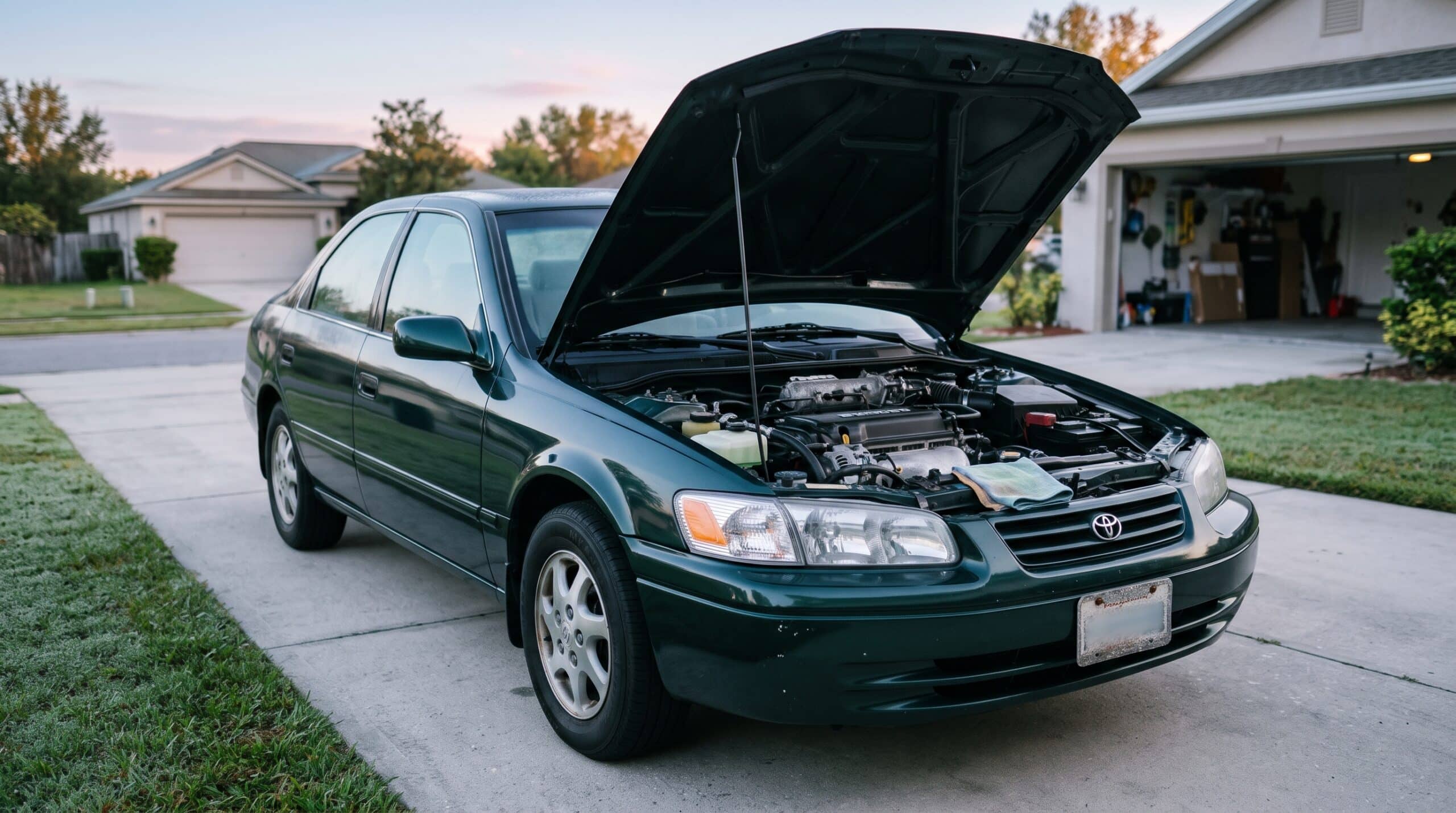
You buy a car expecting it to start every morning and keep going for years. Then the repair bills start stacking up. A transmission fails at 80,000 miles. Electronics act up. Rust appears where it should not. Suddenly the vehicle that felt like a smart purchase turns into a constant drain.
Car reliability is not luck. It comes from specific choices made by engineers, manufacturers, and owners. Understanding those factors lets you separate marketing claims from real vehicle durability. This is what actually drives ownership longevity.
Engineering Philosophy and Design Simplicity
The most reliable cars usually start with restrained engineering. Complexity adds failure points. Every extra sensor, actuator, or software module creates another thing that can break or glitch. Brands that prioritize proven mechanical solutions over the latest gadgets often deliver longer service lives.
Look at how a powertrain is laid out. Engines with modest specific output, robust bottom ends, and conservative tuning tend to outlast high-strung designs chasing peak horsepower numbers. Transmissions that avoid ultra-thin oils or overly aggressive shift strategies usually hold up better under real-world abuse.
Suspension geometry, cooling system capacity, and even the placement of vulnerable components all matter. A well-designed car routes heat away from electronics, protects wiring from abrasion, and makes common service items accessible. Those details rarely appear in ads. They show up years later when one car needs major work and another does not.
Materials and Component Quality
Metal quality, plastic formulation, and seal durability separate cars that age well from those that do not. High-strength steel in the right places resists fatigue and crash damage. Aluminum can save weight but demands careful design to avoid corrosion or cracking under stress. Interior plastics that resist UV fading and cracking keep a cabin looking acceptable longer.
Rubber components deserve special attention. Hoses, belts, bushings, and seals degrade with heat and time. Better compounds last longer and maintain flexibility. The same applies to wiring insulation and connector quality. Cheap materials here create intermittent electrical problems that are expensive to diagnose.
Bearing quality, piston ring materials, and valve train components inside the engine determine how the powerplant ages. Brands known for long engine life usually invest in these less visible parts rather than flashy cabin features.
Manufacturing Consistency and Quality Control
Even excellent designs fail if the factory cannot build them the same way every day. Tight tolerances, proper torque procedures, and thorough end-of-line testing reduce the number of cars that leave with hidden defects. Plants with strong process control produce fewer lemons.
Robot welding consistency, paint application thickness, and fluid fill accuracy all influence long-term outcomes. A car that leaves the factory with correct alignment, proper fluid levels, and fully seated connectors starts its life with fewer latent problems.
Supplier quality matters just as much. A manufacturer that demands high standards from its parts vendors and audits them regularly passes fewer weak components into the final vehicle. One weak batch of sensors or pumps can damage a model year’s reputation for years.
Powertrain and Major Systems Durability
Engines and transmissions remain the most expensive systems to repair. Reliable car brands tend to stick with architectures that have proven themselves over multiple generations. Incremental improvements usually beat radical redesigns when durability is the goal.
Cooling system capacity is frequently underestimated. Engines that run consistently cooler experience less oil breakdown and component stress. Transmissions with adequate cooling and sensible shift programming avoid the overheating that destroys fluid and clutches.
Electrical architecture has become a major reliability factor. Vehicles with simpler networks and fewer control modules often experience fewer mysterious glitches. When software is involved, the quality of the code and the manufacturer’s willingness to issue timely updates affect real-world dependability.
Four-wheel-drive and all-wheel-drive systems add complexity. The best ones use robust transfer cases and differentials with serviceable fluids. Neglected ones become expensive liabilities.
The Owner’s Role in Ownership Longevity
No car is immune to neglect. Regular oil changes with the correct specification remain the single most effective way to protect an engine. Ignoring transmission fluid services, coolant flushes, or differential fluid changes shortens the life of those components.
Driving style influences outcomes. Constant short trips that never fully warm the engine promote moisture buildup and wear. Habitual hard acceleration and braking stress components unnecessarily. Smooth operation and proper warm-up habits extend service life.
Environment plays a part. Cars in salt-belt regions need underbody washing and rust monitoring. Hot climates demand attention to cooling systems and cabin air filters. Storing a vehicle correctly during long periods of non-use prevents flat-spotting, battery failure, and rodent damage.
Keeping records matters when you eventually sell. A documented service history supports residual value and reassures the next owner that the car was maintained.
Brand Track Records and Real-World Data
Some manufacturers have built cultures around durability. Their design teams, supplier relationships, and testing protocols reflect that priority. Other brands chase features, styling, or performance first and accept higher warranty costs as the trade-off.
Independent data from long-term owner surveys, repair frequency studies, and high-mileage fleet experience reveal patterns that short-term reviews miss. A model that looks excellent at three years may show rising problems at eight or ten. Conversely, some vehicles start with average scores and prove exceptionally tough once past the early years.
Pay attention to specific engines and transmissions rather than brand names alone. A manufacturer can have both highly reliable powertrains and problematic ones in the same lineup. Research the exact combination you are considering.
How to Evaluate Reliability Before You Buy
Start with the specific powertrain. Search for known issues with that engine and transmission combination. Look beyond the first few model years when problems are often corrected. Check technical service bulletins and common repair patterns.
Inspect maintenance records carefully on used cars. Consistent oil changes, timing belt or chain service if applicable, and fluid replacements matter more than a clean exterior. A pre-purchase inspection by a trusted independent mechanic who knows the model is one of the highest-value steps you can take.
Consider the intended use. A vehicle that excels in highway commuting may struggle with heavy towing or extreme off-road work. Match the design strengths to your actual needs.
Factor in parts availability and repair expertise in your area. A theoretically durable car becomes expensive if specialists are scarce and parts take weeks to arrive.
Test drive with a critical ear and eye. Listen for unusual noises, feel for smooth shifts, and check that all systems operate without hesitation. One thorough drive reveals more than hours of brochure reading.
Reliable cars share common traits: thoughtful engineering, quality materials, consistent manufacturing, and owners who maintain them. Brands that treat durability as a core requirement rather than a secondary goal tend to deliver better long-term results. Your own habits complete the equation.
When you next shop, look past the features list and ask harder questions about how the car is built and how it has performed for other owners over time. That approach improves your odds of ending up with a vehicle that simply keeps working.
FAQ
What is the most important factor in car reliability?
Consistent maintenance with the correct fluids and filters ranks at the top. Even well-engineered cars decline quickly when service is skipped or performed with the wrong products.
Are certain brands always more reliable than others?
Some manufacturers have stronger overall track records, but results vary by specific model and powertrain. Research the exact engine and transmission rather than relying on brand reputation alone.
Does higher price guarantee better vehicle durability?
Not always. Some expensive vehicles prioritize performance or luxury features over long-term toughness. Conversely, certain mainstream models deliver excellent ownership longevity at lower cost.
How many miles should a reliable car last?
With proper care, many modern vehicles routinely exceed 200,000 miles. Some powertrains are capable of significantly more. The limiting factors are often rust, accident damage, or neglected maintenance rather than the basic design.
Should I buy extended warranties for better protection?
It depends on the model’s repair history and your risk tolerance. For vehicles with proven strong reliability and manageable repair costs, self-insuring through a maintenance fund often makes more sense. For complex or problem-prone models, coverage can provide peace of mind.
Focus on the fundamentals when you choose and maintain a vehicle. Engineering quality, material choices, manufacturing care, and your own service habits determine how long the car remains dependable. Do the research, drive critically, and maintain consistently. That combination produces the ownership experience most people actually want.
Leave a Reply